
A Sign With Weight
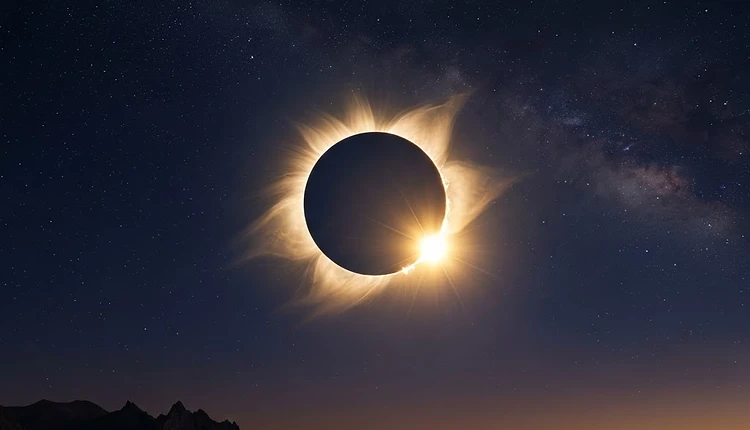
The Bible takes the darkening of the sun and moon seriously. At the crucifixion, "there was darkness over the whole land" (Luke 23:44). Joel promised the moon turned to blood before the Day of the Lord. Jesus Himself said the sun would be darkened before His return. Eclipses are not trivial to God. They are part of the vocabulary of the heavens.
So when one comes, it is right to feel a holy gravity — a settling in the chest, a quiet "Lord, speak." Awe is the correct response. But awe is not the same as alarm.
The Line We Will Not Cross
What Scripture does not do is hand us a date. Jesus said plainly, "concerning that day or that hour, no one knows" (Mark 13:32). The moment we turn an eclipse into a deadline — this is the one, this is the year, this is the sign that seals it — we have stepped past what God told us and into what He never did.
The heavens are appointed for wonder and witness, not for the calendar of our fears. An eclipse is a reminder, not a prediction. It says He is coming, not when. The God who darkens the sun is also the God who kept the sun standing for Joshua; His power is beyond question. His timing is beyond ours.
Two Right Responses
There are two responses an eclipse invites, and both are worship. The first is repentance — a gentle turning of the heart while there is still light. If the sky can remind us that time is short and eternity is long, it has done us a kindness. The second is hope. The same Christ who darkened the sun at His death will open the sky at His return. The eclipse points both backward to the cross and forward to the crown.
Look Up Without Looking Ahead
So the next time the moon crosses the sun, or the earth's shadow reddens the moon, let it move you. Let it humble you. Let it send you to your knees. But do not let it make you frantic. The heavens announce the King. They do not announce His timetable.
He is coming. Watch. And do not be afraid.